Web cookies (also called HTTP cookies, browser cookies, or simply cookies) are small pieces of data that websites store on your device (computer, phone, etc.) through your web browser. They are used to remember information about you and your interactions with the site.
Purpose of Cookies:
Session Management:
Keeping you logged in
Remembering items in a shopping cart
Saving language or theme preferences
Personalization:
Tailoring content or ads based on your previous activity
Tracking & Analytics:
Monitoring browsing behavior for analytics or marketing purposes
Types of Cookies:
Session Cookies:
Temporary; deleted when you close your browser
Used for things like keeping you logged in during a single session
Persistent Cookies:
Stored on your device until they expire or are manually deleted
Used for remembering login credentials, settings, etc.
First-Party Cookies:
Set by the website you're visiting directly
Third-Party Cookies:
Set by other domains (usually advertisers) embedded in the website
Commonly used for tracking across multiple sites
Authentication cookies are a special type of web cookie used to identify and verify a user after they log in to a website or web application.
What They Do:
Once you log in to a site, the server creates an authentication cookie and sends it to your browser. This cookie:
Proves to the website that you're logged in
Prevents you from having to log in again on every page you visit
Can persist across sessions if you select "Remember me"
What's Inside an Authentication Cookie?
Typically, it contains:
A unique session ID (not your actual password)
Optional metadata (e.g., expiration time, security flags)
Analytics cookies are cookies used to collect data about how visitors interact with a website. Their primary purpose is to help website owners understand and improve user experience by analyzing things like:
How users navigate the site
Which pages are most/least visited
How long users stay on each page
What device, browser, or location the user is from
What They Track:
Some examples of data analytics cookies may collect:
Page views and time spent on pages
Click paths (how users move from page to page)
Bounce rate (users who leave without interacting)
User demographics (location, language, device)
Referring websites (how users arrived at the site)
Here’s how you can disable cookies in common browsers:
1. Google Chrome
Open Chrome and click the three vertical dots in the top-right corner.
Go to Settings > Privacy and security > Cookies and other site data.
Choose your preferred option:
Block all cookies (not recommended, can break most websites).
Block third-party cookies (can block ads and tracking cookies).
2. Mozilla Firefox
Open Firefox and click the three horizontal lines in the top-right corner.
Go to Settings > Privacy & Security.
Under the Enhanced Tracking Protection section, choose Strict to block most cookies or Custom to manually choose which cookies to block.
3. Safari
Open Safari and click Safari in the top-left corner of the screen.
Go to Preferences > Privacy.
Check Block all cookies to stop all cookies, or select options to block third-party cookies.
4. Microsoft Edge
Open Edge and click the three horizontal dots in the top-right corner.
Go to Settings > Privacy, search, and services > Cookies and site permissions.
Select your cookie settings from there, including blocking all cookies or blocking third-party cookies.
5. On Mobile (iOS/Android)
For Safari on iOS: Go to Settings > Safari > Privacy & Security > Block All Cookies.
For Chrome on Android: Open the app, tap the three dots, go to Settings > Privacy and security > Cookies.
Be Aware:
Disabling cookies can make your online experience more difficult. Some websites may not load properly, or you may be logged out frequently. Also, certain features may not work as expected.
The Reed Fellow plays a vital role in the development of WISHfest and participates in a fireside chat with our keynote speaker(s).
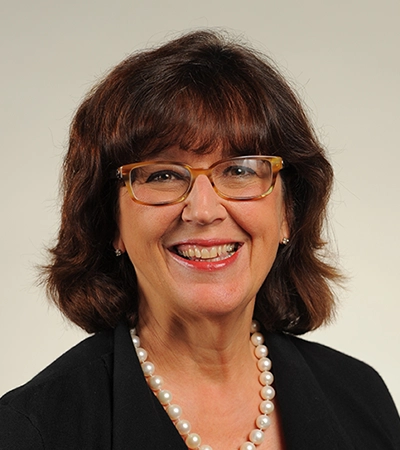
Sally M. Reis, Ph.D.
Sally Reis is a Board of Trustees Distinguished Professor and previously held the Letitia Neag Morgan Chair in Educational Psychology in the Neag School of Education at UConn.. Her research interests relate to talent development, enrichment pedagogy, twice exceptional students, as well as talented girls and women. She has authored over 300 articles, books, book chapters, technical reports and worked a research team that has generated over 50 million dollars during the last few decades.
Using Strength-Based Pedagogy to Engage and Challenge Twice Exceptional Students
Using the pedagogy of gifted and talented education enables teachers to develop strengths, interests, and talents in a broad range of students, including those with disabilities. Enrichment pedagogy helps teachers differentiate instruction, reduce underachievement, and enable students to develop their strengths, while reducing a focus on deficits. This session will briefly highlight this pedagogy and describe how it can be implemented to help students identify and develop their interests and strengths.
The Reed Fellow plays a vital role in the development of WISHfest and participates in a fireside chat with our keynote speaker(s).
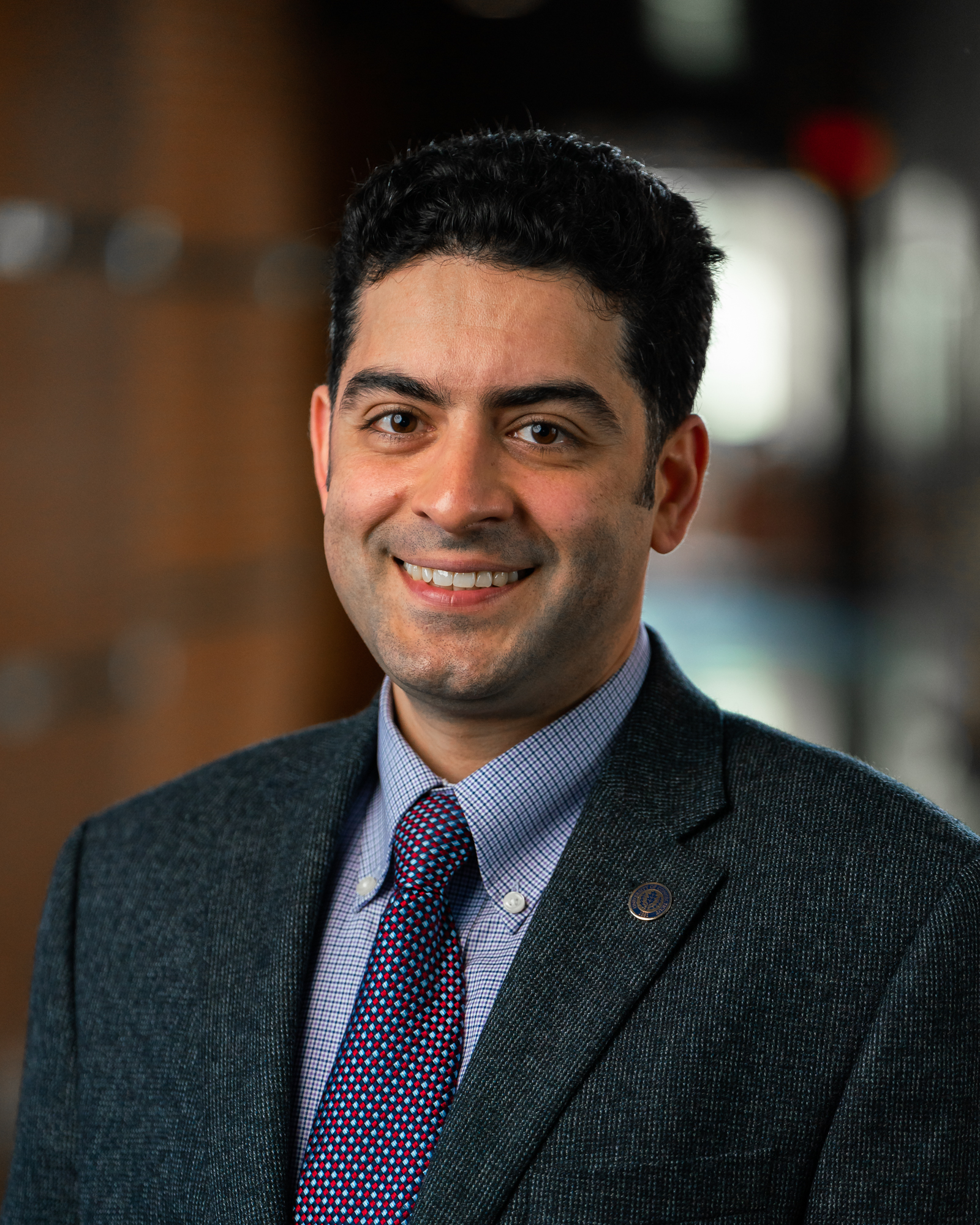
Arash E. Zaghi, Ph.D., PE, SE
Arash Zaghi is a professor in the Department of Civil and Environmental Engineering at the University of Connecticut. In 2009, he received his Ph.D. in civil Eengineering from the University of Nevada, Reno. After he was diagnosed with attention deficit hyperactivity disorder (ADHD) at age 33, he began engineering education research aimed at highlighting the importance of neurodiversity for the creativity of our nation’s engineering workforce by promoting a fundamentally strength-based perspective toward diversity. He started his engineering education research endeavor through an NSF RIGEE grant in 2014. The promising findings of this research and the encouraging feedback of the student community motivated him to pursue this line of research in his NSF CAREER award in 2017. Since then, he has built a coalition within the university to expand this work through multiple NSF-funded research grants including IUSE/PFE: RED titled “Innovation Beyond Accommodation: Leveraging Neurodiversity for Engineering Innovation”. Because of the importance of neurodiversity at all levels of education, he expanded his work to graduate STEM education through an NSF IGE grant. In addition, he recently received his Mid-CAREER award through which, in a radically novel approach, he will take on ambitious, transdisciplinary research integrating artificial intelligence, neuroscience, and education research to advance a personalized tool to enhance the participation of middle-school students with dyslexia in STEM disciplines. His efforts on promoting neurodiversity in engineering has been twice recognized by Prism Magazine of the American Society of Engineering Education.

The Reed Fellow plays a vital role in the development of WISHfest and participates in a fireside chat with our keynote speaker(s).
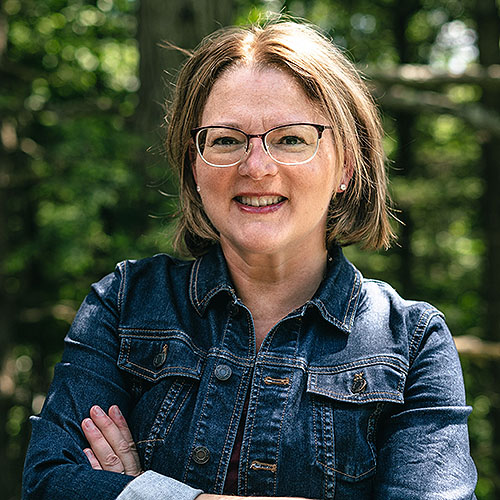
Sandra M. Chafouleas, Ph.D.
Sandra M. Chafouleas, Ph.D. is a Board of Trustees Distinguished Professor and Neag Endowed Professor in the Neag School of Education at the University of Connecticut. Dr. Chafouleas is also the founder and co-director of the UConn Collaboratory on School and Child Health (CSCH), as well as the co-founder of Feel Your Best Self. Her work focuses on assisting schools in implementation of policies and practices that support the whole child, with specific expertise in strategies to support mental health and emotional well-being.