Web cookies (also called HTTP cookies, browser cookies, or simply cookies) are small pieces of data that websites store on your device (computer, phone, etc.) through your web browser. They are used to remember information about you and your interactions with the site.
Purpose of Cookies:
Session Management:
Keeping you logged in
Remembering items in a shopping cart
Saving language or theme preferences
Personalization:
Tailoring content or ads based on your previous activity
Tracking & Analytics:
Monitoring browsing behavior for analytics or marketing purposes
Types of Cookies:
Session Cookies:
Temporary; deleted when you close your browser
Used for things like keeping you logged in during a single session
Persistent Cookies:
Stored on your device until they expire or are manually deleted
Used for remembering login credentials, settings, etc.
First-Party Cookies:
Set by the website you're visiting directly
Third-Party Cookies:
Set by other domains (usually advertisers) embedded in the website
Commonly used for tracking across multiple sites
Authentication cookies are a special type of web cookie used to identify and verify a user after they log in to a website or web application.
What They Do:
Once you log in to a site, the server creates an authentication cookie and sends it to your browser. This cookie:
Proves to the website that you're logged in
Prevents you from having to log in again on every page you visit
Can persist across sessions if you select "Remember me"
What's Inside an Authentication Cookie?
Typically, it contains:
A unique session ID (not your actual password)
Optional metadata (e.g., expiration time, security flags)
Analytics cookies are cookies used to collect data about how visitors interact with a website. Their primary purpose is to help website owners understand and improve user experience by analyzing things like:
How users navigate the site
Which pages are most/least visited
How long users stay on each page
What device, browser, or location the user is from
What They Track:
Some examples of data analytics cookies may collect:
Page views and time spent on pages
Click paths (how users move from page to page)
Bounce rate (users who leave without interacting)
User demographics (location, language, device)
Referring websites (how users arrived at the site)
Here’s how you can disable cookies in common browsers:
1. Google Chrome
Open Chrome and click the three vertical dots in the top-right corner.
Go to Settings > Privacy and security > Cookies and other site data.
Choose your preferred option:
Block all cookies (not recommended, can break most websites).
Block third-party cookies (can block ads and tracking cookies).
2. Mozilla Firefox
Open Firefox and click the three horizontal lines in the top-right corner.
Go to Settings > Privacy & Security.
Under the Enhanced Tracking Protection section, choose Strict to block most cookies or Custom to manually choose which cookies to block.
3. Safari
Open Safari and click Safari in the top-left corner of the screen.
Go to Preferences > Privacy.
Check Block all cookies to stop all cookies, or select options to block third-party cookies.
4. Microsoft Edge
Open Edge and click the three horizontal dots in the top-right corner.
Go to Settings > Privacy, search, and services > Cookies and site permissions.
Select your cookie settings from there, including blocking all cookies or blocking third-party cookies.
5. On Mobile (iOS/Android)
For Safari on iOS: Go to Settings > Safari > Privacy & Security > Block All Cookies.
For Chrome on Android: Open the app, tap the three dots, go to Settings > Privacy and security > Cookies.
Be Aware:
Disabling cookies can make your online experience more difficult. Some websites may not load properly, or you may be logged out frequently. Also, certain features may not work as expected.
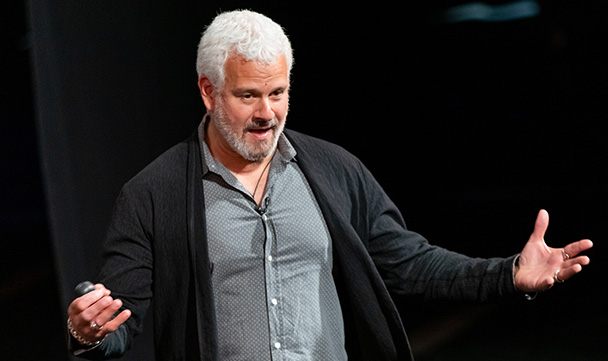
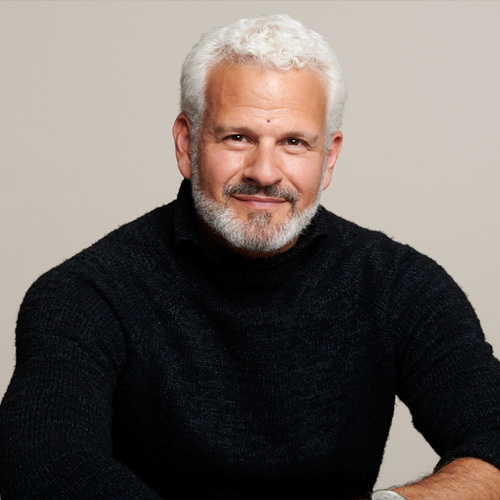
Adam Gazzaley, M.D., Ph.D. is the David Dolby Distinguished Professor of Neurology, Physiology and Psychiatry at the University of California San Francisco, and the Founder & Executive Director of Neuroscape, a translational neuroscience center engaged in technology development and scientific research of novel brain assessments and optimization tools. Dr. Gazzaley is co-founder of Akili and JAZZ Venture Partners. He has been a scientific advisor for dozens of companies including Apple, GE and Janssen. He has filed multiple patents - notably his invention of the first video game cleared by the FDA, authored over 170 scientific articles and delivered over 700 invited presentations around the world. He wrote and hosted the nationally televised PBS special “The Distracted Mind with Dr. Adam Gazzaley”, and co-authored “The Distracted Mind: Ancient Brains in a High-Tech World”, winner of the 2017 PROSE Award. Dr. Gazzaley is the recipient of the 2015 SfN Science Educator Award, 2020 Global Gaming Citizen Honor and named in Newsweek’s 2021 Inaugural list of America’s Greatest Disruptors. He is a Board of Trustee, Science Council Member and Fellow of the California Academy of Sciences.
2023 KEYNOTE
A New Era of Experiential Medicine for a Healthy Mind
A fundamental challenge of our global healthcare system is the development and distribution of effective treatments to enhance cognition in those suffering from diverse psychiatric and neurological conditions. Dr. Gazzaley will describe the use of custom-designed, closed-loop video games to achieve cognitive benefits in both healthy individuals and patients. This approach has now yielded the first FDA-approved video game for any clinical condition. He will share with you the next stage of his research program, which integrates digitally-delivered experiences with the innovations in machine learning, virtual reality, multimodal physiological recordings, non-invasive electrical brain stimulation and psychedelics to enhance cognition.

Richie Davidson, Ph.D.
Richie Davidson, Ph.D. is the William James and Vilas Professor of Psychology and Psychiatry at the University of Wisconsin–Madison, and the Founder and Director of the Center for Healthy Minds. He is best known for his groundbreaking work studying emotion and the brain. A friend and confidante of the Dalai Lama, he is a highly sought after expert and speaker, leading conversations on well-being on international stages such as the World Economic Forum, where he serves on the Global Council on Mental Health. He has co-authored a number of books with authors such as Daniel Goleman. Time Magazine named Davidson one of “The 100 Most Influential People in the World” in 2006.
2023 KEYNOTE
Well-Being is a Skill
Just like being physically in shape means regular exercise, supporting one’s emotional well-being begins with a training program – for the mind. In this talk, world renowned neuroscientist, Dr. Richard J. Davidson discusses the scientific concept of neuroplasticity and how research in the lab confirms that well-being is a skill that can be taught. By learning and practicing the skills associated with awareness, connection, insight, and purpose – anyone can have a healthier mind, despite their external circumstances. Based on four decades of contemplative neuroscientific research, Dr. Davidson outlines a path to well-being for anyone in this highly relevant talk.
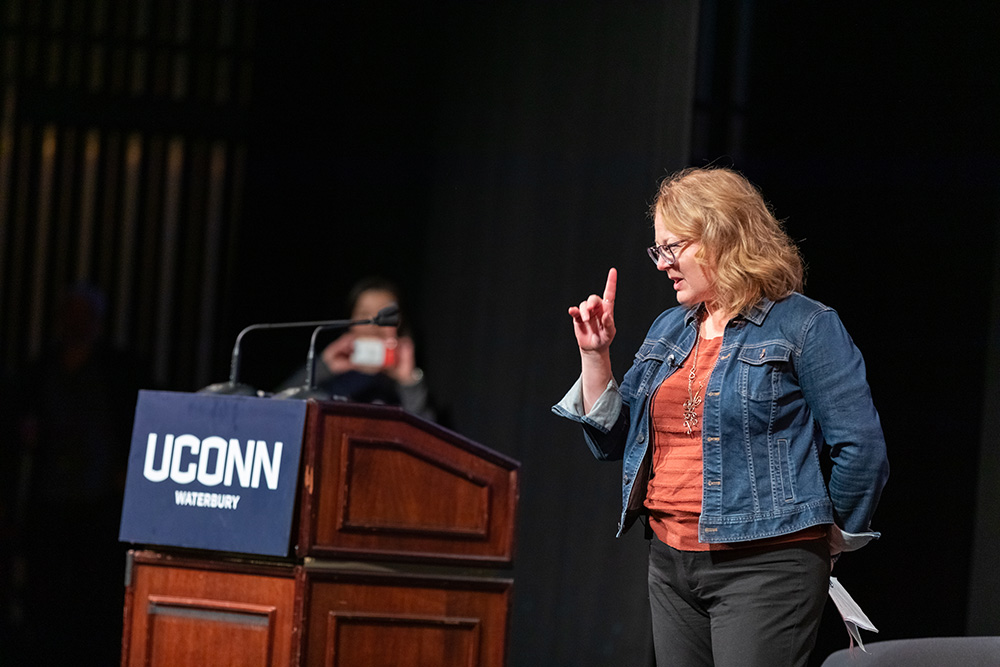
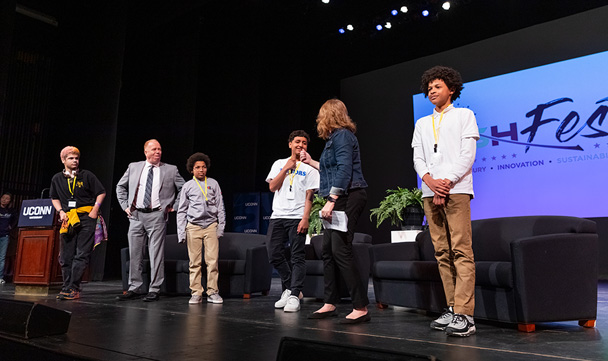
The Reed Fellow plays a vital role in the development of WISHfest and participates in a fireside chat with our keynote speaker(s).
Sandra M. Chafouleas, Ph.D.
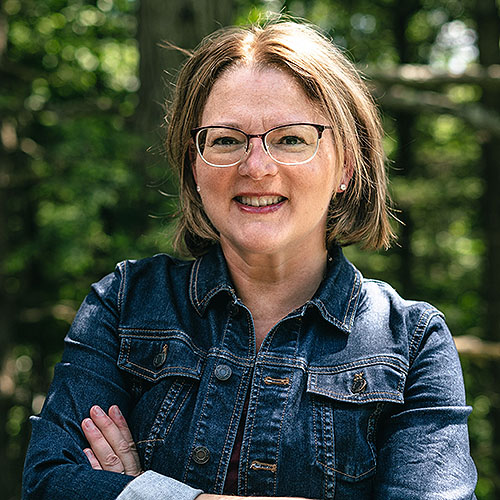
Sandra M. Chafouleas, Ph.D. is a Board of Trustees Distinguished Professor and Neag Endowed Professor in the Neag School of Education at the University of Connecticut. Dr. Chafouleas is also the founder and co-director of the UConn Collaboratory on School and Child Health (CSCH), as well as the co-founder of Feel Your Best Self. Her work focuses on assisting schools in implementation of policies and practices that support the whole child, with specific expertise in strategies to support mental health and emotional well-being.